Hire Kotlin Developers
Superior Android and KMP apps by India's top Kotlin talent, ensuring rapid global deployment.
- Manage background tasks to keep the interface smooth and responsive.
- Build fast, modern layouts for a clean and professional appearance.
- Share core business logic across multiple platforms for efficiency.
- Access native hardware and APIs for a high-performance experience.
Kotlin Development for High-Performance Native Leaders


Native Kotlin Engineering Center
Elevate your mobile roadmap with senior engineers dedicated to architecting stable, high-performance applications. Our specialists focus on building fluid interfaces and resilient frameworks designed to scale alongside your evolving business goals. By prioritizing clean code and modern development standards, we deliver robust mobile solutions that ensure a seamless and engaging experience for your global audience. This excellence is driven by Webshark, where we provide low-cost engineering solutions from our specialized development center.
Fluid Background Logic
Using Kotlin Coroutines to handle heavy data processing without ever interrupting user flows. We implement structured concurrency to ensure jank-free multitasking and responsive enterprise-grade mobile experiences.
Reactive User Interfaces
Building modern, high-speed visual layers with Jetpack Compose that adapt instantly to state changes. Our experts minimize recomposition cycles to deliver a polished, professional 60FPS feel across hardware tiers.
Crash-Proof Reliability
Implementing strict null-safety and type checks at the core to ensure apps remain stable. We eliminate runtime exceptions through proactive Kotlin-first engineering, ensuring resilient performance under high usage.
Unified Multiplatform Logic
Deploying shared functional code via KMP across multiple devices while keeping native app performance. We architect a single source of truth for business logic to reduce bugs and synchronize global features.
Modular Code Architecture
Organizing systems into independent Kotlin modules to simplify updates and enable technical scaling. Our team follows Clean Architecture principles to keep codebases decoupled, testable, and free of technical debt.
Seamless Offline Access
Fine-tuning local Room database layers to ensure users have access to critical features without a signal. We implement robust background data persistence and conflict resolution for reliable performance in low-connectivity global markets.
Elite Kotlin Engineering for Enterprise
Building resilient, high-concurrency digital products across global ecosystems.


Declarative Jetpack UI
We use Jetpack Compose to build fluid, 60fps interfaces with native Material 3 logic for mission-critical UX systems.

Kotlin Multiplatform (KMP)
Our team leverages KMP to share core business logic across iOS and Android while keeping native performance levels.

Edge AI & Gemini Nano
Deploying Gemini Nano and AICore to integrate private, high-fidelity generative AI directly within mobile layers.

Coroutines & Reactive Flow
Managing async data with Kotlin Coroutines and Flow to ensure jank-free multitasking in high-traffic scenarios.

Modern Ktor Networking
Building resilient, type-safe API layers using Ktor to optimize data handling for distributed cloud environments.

Advanced DI Orchestration
Utilizing Dagger Hilt and Koin to create decoupled, modular architectures that are scalable and easy to update.
Featured Work
Production-ready Kotlin applications built with enterprise-grade stability and high-concurrency architecture.

A design concept focused on elevating user flow, visual precision, and overall speed while upholding the brand's high-end aesthetic.

A reimagined digital journey crafted to showcase the intricate detail and prestige of Stephen Webster’s signature jewelry pieces.
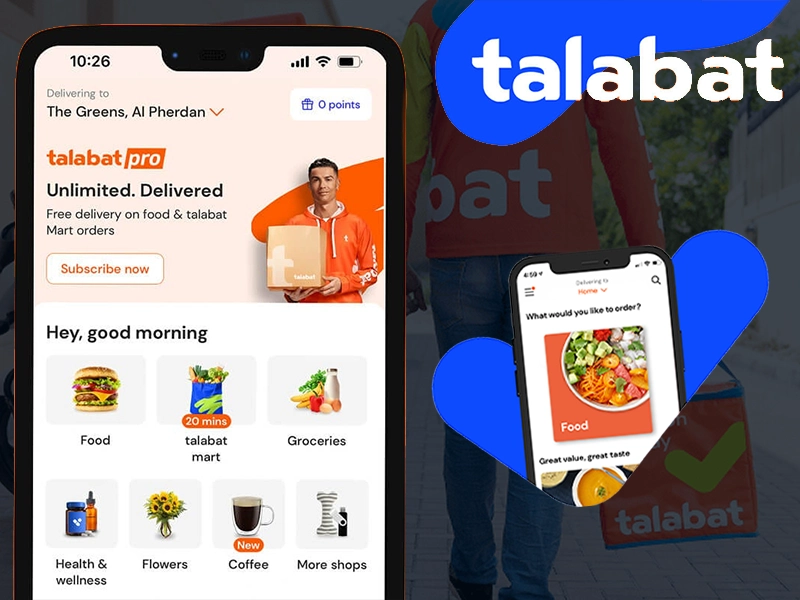
An adaptable app overhaul prioritizing rapid checkout, intuitive navigation, and effortless culinary discovery for active, on-the-go users.

A sophisticated online redesign that merges Parisian style with a smooth, tailored shopping experience for Gemmyo’s custom-made jewelry.
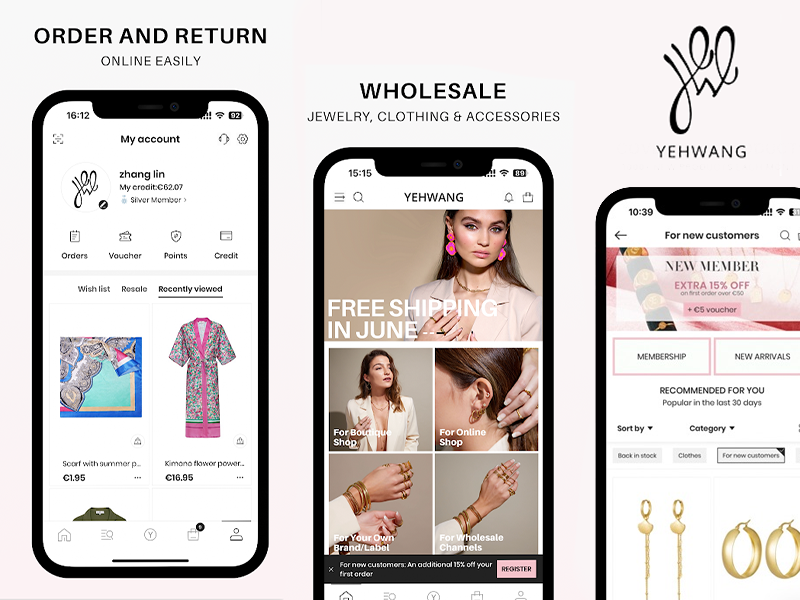
An elegant mobile interface developed to highlight product collections and streamline browsing for a global, style-conscious market.

A refined digital update highlighting Haddonstone’s artistry through vivid project imagery and a modernized product search experience.

A conceptual update emphasizing brand narrative, custom discovery, and fluid movement across a world-class luxury shopping platform.

A lively digital transformation reflecting Free People’s unique style through rich visuals and a seamless, community-focused shopping flow.
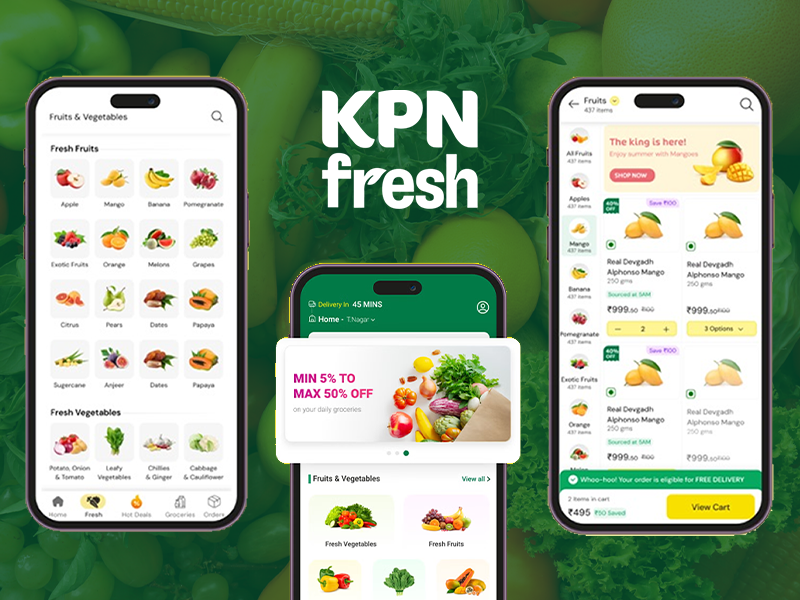
A streamlined grocery application built for rapid product location, effortless repeat orders, and a frictionless checkout for daily essentials.

A polished digital presence for a leading Dubai construction firm, highlighting fifty years of master building and iconic regional landmarks.
Engineering Excellence for Kotlin Deployment
A production-focused strategy to integrate high-concurrency experts into your mission-critical mobile projects.
Requirement Scoping
Aligning roadmaps with Jetpack Compose and shared KMP logic patterns.
Technical Matching
Selecting experts in Coroutines, Flow, and reactive state management.
Architecture Audit
Verifying Clean Architecture, Dagger Hilt, and modular code systems.
Team Integration
Seamless deployment into Git CI/CD for immediate production impact.
Enterprise-Grade Tech Stack for Scalable Kotlin & KMP Solutions


Performance Metrics for Enterprise Kotlin
Quantifiable results in stability and speed through advanced memory management and modular architecture.
Uptime via proactive null-safety and structured concurrency patterns.
Smooth rendering by optimizing Compose and minimizing recomposition.
Average onboarding time to push production-ready code to your repo.
Frequently Asked Questions
Deep-dive technical perspectives on scaling Kotlin infrastructure, ensuring native resilience, and deploying production-grade KMP systems.
Our engineering philosophy centers on "Reliability-First" development. Kotlin provides a modern, expressive syntax that eliminates the verbose boilerplate of legacy languages, allowing our developers to focus on core business logic rather than manual memory management or repetitive patterns. This leads to cleaner codebases that are easier to audit and scale.
Beyond syntax, we prioritize Kotlin because of its deep integration with the modern Android ecosystem. It allows our teams to implement complex features with significantly lower cognitive load, ensuring that your product remains maintainable even as it grows into an enterprise-scale application.
- Null Safety – The type system distinguishes between nullable and non-nullable types, preventing the "billion-dollar mistake" of null pointer exceptions.
- Coroutines – We manage high-concurrency tasks without the overhead of heavy threads, ensuring the UI remains responsive under load.
- Interoperability – We can seamlessly integrate with existing Java libraries, ensuring a smooth transition for legacy enterprise systems.
Jetpack Compose allows our team to build UIs using a declarative approach, which fundamentally changes how state is managed within the application. By moving away from the brittle XML-view system, we create reusable UI components that are decoupled from business logic. This modularity is essential for enterprise apps where multiple teams need to contribute to a single, unified interface without causing regression errors.
Furthermore, Compose’s intelligent recomposition engine ensures that only the specific parts of the screen that need updating are re-rendered. This optimization significantly reduces GPU overdraw and CPU cycles, leading to better battery life and smoother animations. We leverage this to maintain 60FPS or higher performance standards, ensuring your application feels premium across a wide spectrum of Android hardware tiers.
Kotlin Multiplatform (KMP) is our preferred strategy for cross-platform efficiency because it doesn't compromise on native performance. Unlike other frameworks that wrap the UI in a non-native container, KMP focuses on sharing the "heavy lifting"—the business logic, networking, and data persistence layers—while keeping the UI 100% native to the platform.
This approach allows our developers to write code once in Kotlin and deploy it to both Android and iOS. It creates a "Single Source of Truth" for your critical operations, which drastically reduces bugs caused by inconsistent logic between platforms. Your users still get the fluid, native feel of SwiftUI on iOS and Jetpack Compose on Android, but your development lifecycle becomes significantly faster and more cost-effective.
Security is a foundational pillar at Webshark. Our engineers implement a multi-layered defense strategy that begins at the code level and extends to the network and storage layers. We treat every data point as sensitive, ensuring that enterprise information is protected against both local tampering and sophisticated network intercepts.
We also adhere to the strictest industry standards for data protection, ensuring your app is compliant with regional regulations. By integrating security into the CI/CD pipeline, we automatically scan for vulnerabilities before any code is merged into production.
- Cryptographic Hardening – Using the Android Keystore system to keep encryption keys hardware-bound and isolated from the application process.
- Traffic Encryption – Enforcing TLS 1.3 and Certificate Pinning to prevent man-in-the-middle attacks during server communication.
- R8/ProGuard Obfuscation – Shrinking and renaming classes in the final bytecode to prevent malicious reverse-engineering.
We specialize in moving AI logic from the cloud to the "edge" by running models directly on the user's handset. By utilizing the Google AI Edge SDK and Kotlin-optimized models like Gemini Nano, we enable real-time features such as offline smart-replies, document summarization, and sentiment analysis. This architecture ensures that sensitive user data never leaves the device, providing a massive advantage in terms of privacy and regulatory compliance.
Executing AI on-device also removes the latency associated with server calls and eliminates expensive cloud API costs. Our team focuses on optimizing these models for memory and battery efficiency, ensuring that adding "intelligent" features doesn't negatively impact the device's overall performance. This provides an immediate, responsive experience that works even without an internet connection.
We build with an offline-first mindset, utilizing Room Persistence as a robust local data source to ensure users can interact with and edit information without interruption, regardless of network status. When a connection is re-established, our synchronization engine leverages WorkManager to handle complex background tasks and deferrable network syncs based on battery and connectivity constraints, ensuring data is uploaded even if the app is closed. By implementing custom conflict resolution strategies like "last-write-wins" or "semantic merging," we maintain strict data integrity across multi-device sessions and eliminate the need for loading spinners, providing a seamless and highly reliable user experience in any environment.
To prevent technical debt in enterprise projects, we implement a strict feature-based modularization strategy. By breaking a large app into smaller, independent Kotlin modules, we can significantly reduce build times through parallel execution in Gradle. This isolation ensures that a change in one feature—like the checkout process—cannot inadvertently break a completely unrelated module like user profiles.
This modular architecture also supports "Dynamic Delivery," allowing users to download specific features only when they need them, which keeps the initial APK size small. Our engineers follow Clean Architecture principles, ensuring that the "domain" or business logic of your app remains independent of any specific framework or UI implementation, making future migrations or upgrades seamless.
Quality is not an afterthought; it is baked into our daily workflow. Our team employs a rigorous testing suite that covers everything from individual functions to complex end-to-end user journeys. We use a combination of automated static analysis and manual peer reviews to ensure that every line of code meets our "production-ready" benchmark.
By automating the testing process within our CI/CD pipelines, we catch potential issues early in the development cycle. This reduces the time spent on bug fixing during the later stages of a project and ensures a stable release for your users.
- Unit Testing – Verifying core logic and state management using JUnit 5 and MockK to isolate dependencies.
- UI Testing – Using Compose Test Lab to verify that UI components respond correctly to different state configurations.
- Static Analysis – Enforcing coding standards and identifying potential memory leaks with tools like Detekt and Lint.
We provide end-to-end management of the Google Play Console, handling everything from initial account setup to final production release. This includes optimizing your App Store Listing (ASO), managing localized screenshots, and ensuring compliance with Google’s ever-evolving privacy and data safety requirements. We take the stress out of the submission process by proactively addressing potential rejection risks before they happen.
Post-deployment, we transition into a monitoring phase where we track "Android Vitals" to identify any performance bottlenecks in the real world. We analyze crash logs, ANR (App Not Responding) rates, and slow rendering data to provide iterative updates. This ensures that your application remains highly rated by users and continues to perform optimally as new Android OS versions are released.
We understand that timing is critical for enterprise roadmaps. We maintain an "Active Bench" of pre-vetted Kotlin specialists who are ready to integrate into your existing Agile workflow. We don't just provide developers; we provide engineers who are trained in our internal "Reliability-First" standards, ensuring they can contribute to your project from day one.
The onboarding process is designed to be as frictionless as possible. We handle the technical setup and cultural alignment, ensuring the new team members understand your architecture and project goals immediately.
- Rapid Alignment – Initial engineer selection and technical vetting matched to your stack within 48 hours.
- Full Integration – Complete setup for repo access, communication channels, and sprint participation within 7-14 days.
- Knowledge Transfer – Developers come equipped with best practices in Clean Architecture and Modularization, reducing ramp-up time.